
A magnitude 4.7 earthquake in Baja California shook parts of San Diego County on Tuesday morning, reminding many homeowners and property managers that even “moderate” seismic activity can create very real, very expensive problems inside a building. Beyond the brief rattling, the biggest risk often shows up hours or days later: hidden water leaks triggered by shifted plumbing lines, stressed pipe joints, or hairline cracks that quietly release moisture behind walls and under slabs.
For residents across San Diego, CA—especially in areas that reported noticeable shaking—this is a smart moment to watch for early signs of water intrusion and act fast before a small leak turns into mold or structural damage.
What Tuesday’s quake means for San Diego-area properties
Who was impacted
Residents in Chula Vista, San Diego, and San Ysidro reported feeling shaking through the U.S. Geological Survey’s “Did You Feel It?” reporting system. While no immediate damage or injuries were reported, felt shaking is often enough to stress older plumbing connections and brittle materials.
What happened
The U.S. Geological Survey recorded a magnitude 4.7 earthquake in Baja California, Mexico. It was part of a broader cluster of recent seismic activity in the same general region, with multiple smaller events occurring in the prior days.
Where it occurred
The epicenter was reported roughly 6.2 miles north of Delta, Baja California. Even with the epicenter across the border, seismic waves can travel and be felt in San Diego County—especially in multi-story buildings, hillside homes, and properties with older plumbing systems.
When it happened
The quake struck at approximately 10:27 a.m. Tuesday.
Why this matters beyond the shaking
The Southern California Seismic Network noted a series of quakes near the epicenter over the preceding three days, and flagged the possibility of aftershocks. Aftershocks can re-stress already-weakened plumbing joints, making leak detection and early mitigation particularly important in the days following a felt event.
The overlooked risk after an earthquake: hidden leaks and water damage
In leak detection work, one of the most common post-quake patterns is “silent damage”—small failures that don’t immediately flood a room but steadily soak drywall, insulation, subflooring, or a concrete slab. In San Diego homes, this can show up as slab leaks, pinhole leaks, cracked supply lines, or loosened fittings at water heaters and under-sink shutoffs.
Even minor movement can create:
• Micro-fractures in copper or older galvanized pipe sections
• Separation at fittings and unions (especially where pipes transition materials)
• Stress at hose bibs, irrigation feed lines, and garage laundry hookups
• New pathways for water intrusion where existing hairline foundation cracks expand
Because these issues often start out small, many San Diego County property owners don’t discover them until the water bill spikes or mold odors develop.
How leak detection helps prevent costly post-quake repairs
After a quake felt in San Diego, leak detection is less about “finding a flood” and more about confirming whether your plumbing system stayed sealed. Professional non-invasive leak detection can help locate problems without unnecessary demolition—important when the damage is behind tile, inside walls, or under slab foundations.
1st Response Leak Detection of San Diego helps local homeowners and businesses pinpoint suspected leaks quickly—supporting faster repairs, reduced water loss, and better documentation for restoration decisions when water damage is involved.
Why this is especially relevant in San Diego, CA
San Diego, CA has a wide mix of building ages and plumbing materials—from older coastal and urban neighborhoods to newer developments in outlying areas. When shaking is reported in places like Chula Vista, San Diego, and San Ysidro, it’s a signal for property owners across San Diego County to be alert—particularly if they already have:
• Older copper plumbing with prior repairs
• Homes built on slabs (common in many parts of San Diego, CA)
• Elevated water pressure issues
• Previous foundation settling or crack repairs
With aftershocks possible, the post-event window is a practical time to check plumbing performance, monitor meter activity, and respond quickly to warning signs.
Actionable steps San Diego residents can take today
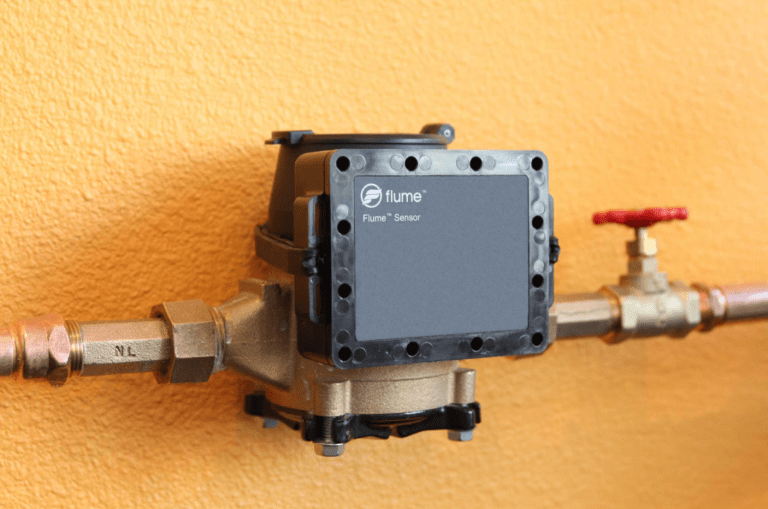
- Check your water meter: Turn off all water inside and outside, then see if the meter still moves—movement can indicate a hidden leak.
- Look for early warning signs: New damp spots, bubbling paint, warm areas on floors, musty odors, or unusually wet soil near the foundation.
- Listen for running water: If you hear water flow when everything is off, don’t ignore it—small leaks often start this way.
- Avoid unnecessary demolition: If you suspect a slab leak or behind-wall issue, leak detection can help pinpoint location first.
- Document changes: Take photos of cracks, stains, or meter readings—especially helpful if damage worsens after an aftershock.
Frequently Asked Questions
Schedule a leak check before a small problem becomes major water damage
If you felt Tuesday’s shaking in San Diego, CA or nearby communities like Chula Vista or San Ysidro, consider taking proactive steps to rule out hidden plumbing leaks—especially with aftershocks possible. For fast, local help, contact 1st Response Leak Detection of San Diego to locate potential leaks early and minimize repair costs.
This article is a commentary-based rewrite for informational purposes, based on source.