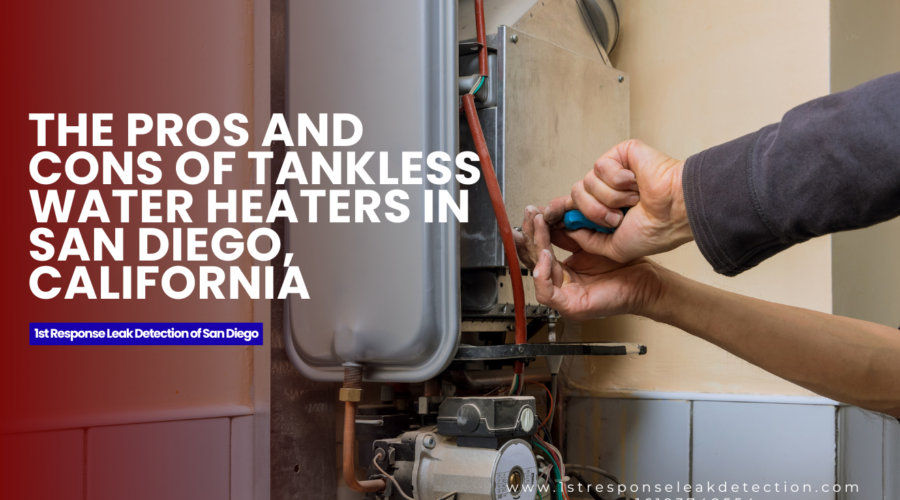
Tankless water heaters can be a smart fit for many San Diego homes because they heat water on demand, save space, and can reduce energy use—but they also come with higher upfront costs and may need electrical or gas upgrades. If you’re researching how tankless water heaters work San Diego homeowners typically install, the idea is simple: you open a shower or faucet, the unit fires up, and hot water is produced as it flows through the heater instead of sitting in a storage tank. For example, a condo with limited closet space can free up room by replacing a bulky tank, while a family running back-to-back morning showers may need a properly sized unit to avoid lukewarm water when the dishwasher and laundry run at the same time. In coastal areas, hard water can also mean you’ll want periodic descaling to keep performance steady.
How Tankless Water Heaters Actually Operate (Step-by-Step)
If you’re trying to understand how tankless water heaters work San Diego homeowners rely on, think of it as a high-powered “instant hot water” heat exchanger that only runs when you need it.
What happens when you turn on a hot tap
-
Flow sensor detects demand: When you open a hot-water valve, water begins moving through the unit and a sensor confirms the flow rate.
-
Unit ignites or energizes: Gas models ignite a burner; electric models energize heating elements.
-
Heat exchanger transfers heat: Incoming cold water travels through a coil/heat exchanger and is heated as it passes.
-
Outlet temperature is controlled: A thermostat and control board modulate the flame (gas) or wattage (electric) to hit your set temperature.
-
Unit shuts down when demand stops: When you close the tap, flow stops and the heater powers down.
This is the core explanation of how tankless water heaters work San Diego residents ask about: no storage tank, less standby heat loss, and hot water produced only during flow.
Tank vs. Tankless: The Biggest Differences San Diego Homeowners Notice
Understanding how tankless water heaters work San Diego households benefit from is easier when you compare it to a conventional tank heater.
| Feature | Tank Water Heater | Tankless Water Heater |
|---|---|---|
| How hot water is made | Stored hot water kept warm 24/7 | Heats water only when you open a tap |
| Space needs | Larger footprint (tank) | Wall-mounted, compact |
| Hot-water limit | Can run out if tank is depleted | Doesn’t “run out,” but can be flow-limited |
| Upfront cost | Typically lower | Typically higher; may require upgrades |
For many households, the deciding factor isn’t just energy savings—it’s whether the unit can keep up with simultaneous use, which is a key part of how tankless water heaters work San Diego installations in multi-bath homes.
Why Sizing Matters in San Diego (And How to Think About It)
A common misunderstanding about how tankless water heaters work San Diego homes install is believing “tankless = endless hot water for everyone at once.” In reality, tankless is “endless duration,” not “unlimited gallons per minute.”
What to measure: flow rate + temperature rise
-
Flow rate (GPM): How many gallons per minute your fixtures use at the same time.
-
Temperature rise: How much the unit needs to heat the incoming water to reach your set temperature.
San Diego-specific sizing considerations
-
Incoming water temperature varies seasonally: Cooler winter supply means the heater must work harder (more “rise”), reducing max GPM.
-
High-demand morning routines: Two showers plus dishwasher is where many undersized units show their limits.
-
Older plumbing layouts: Long pipe runs can still cause “wait time” even with tankless—because the delay is often in the piping, not the heater.
If your goal is to understand how tankless water heaters work San Diego families depend on, sizing is the make-or-break detail. A properly sized unit can feel luxurious; an undersized one can feel like a constant compromise.
Gas vs. Electric Tankless in San Diego: Which Works Better?
When people research how tankless water heaters work San Diego properties typically choose, the next question is fuel type. Both can work well, but they have different “fit” depending on your home.
Gas tankless (natural gas or propane)
-
Pros: Usually higher output for multiple fixtures; great for larger homes.
-
Potential needs: Proper venting, combustion air considerations, and sometimes a larger gas line.
-
Good for: 2+ bathrooms, heavy simultaneous use.
Electric tankless
-
Pros: No combustion, no venting; compact.
-
Potential needs: Significant electrical capacity—often multiple breakers and heavy-gauge wiring.
-
Good for: Point-of-use applications (one bathroom), small households, or homes where gas venting is difficult.
This comparison is part of understanding how tankless water heaters work San Diego owners should plan for: the “best” model depends on your utility setup and hot-water habits, not just the brand.
Energy Use and Efficiency: What the Numbers Say
Tankless units can reduce energy waste because they avoid standby losses from storing hot water. The U.S. Department of Energy notes that tankless water heaters can be more energy-efficient than conventional storage models, especially in homes with lower daily hot-water usage.
Where savings come from
-
No standby heating: You’re not repeatedly reheating a tank all day.
-
Modulating burners (gas models): Many units adjust output based on demand rather than running full blast.
-
Better control: Set temperatures can be more consistent with the right installation and maintenance.
Keep in mind: learning how tankless water heaters work San Diego households use efficiently also means recognizing behavioral factors. Long showers and high-flow fixtures can still drive bills up—tankless doesn’t prevent high usage; it changes how water is heated.
Hard Water, Coastal Conditions, and Why Maintenance Is Non-Negotiable
One of the most important “local realities” of how tankless water heaters work San Diego homes deal with is mineral buildup. Many areas in San Diego County have hard water, and scale can reduce efficiency and restrict flow through the heat exchanger.
Signs your tankless heater may need descaling
-
Water takes longer to heat than it used to
-
Fluctuating temperatures during a shower
-
Reduced hot-water flow at fixtures
-
Error codes related to overheating or flow
Typical maintenance plan (general guidance)
-
Descale/flush: Often recommended annually in hard-water areas (timing varies by water conditions and usage).
-
Clean inlet screen filter: Helps prevent debris from restricting flow.
-
Check venting/air intake (gas): Keeps combustion safe and stable.
Because scale directly impacts performance, maintenance is a practical part of how tankless water heaters work San Diego systems over the long term—not just an optional add-on.
Installation Realities: Venting, Gas Lines, Electrical, and Permits
If you’re evaluating how tankless water heaters work San Diego installations in real homes, installation requirements are where costs and timelines can change quickly.
Common upgrade items that affect total cost
-
Gas line sizing: Higher BTU demand may require upsizing the gas line to avoid pressure drop.
-
Venting changes: Many high-efficiency units require specific vent materials and routing.
-
Electrical needs: Even gas tankless units often need power for controls/ignition; electric units may require major panel capacity.
-
Condensate drain (condensing units): Some systems produce condensate that must be drained appropriately.
From a safety and performance standpoint, it helps to understand basic plumbing concepts and why correct venting, pipe sizing, and pressure regulation matter.
Water Pressure, Flow, and “Cold Water Sandwich”: What to Expect
Another key piece of how tankless water heaters work San Diego residents should know: tankless systems can behave differently than tanks when demand starts and stops quickly.
Common performance quirks (and how pros reduce them)
-
Delay before hot water arrives: Often caused by distance from heater to fixture; a recirculation system can help.
-
Minimum flow requirement: Some units won’t fire below a certain GPM, which can matter with ultra-low-flow fixtures.
-
“Cold water sandwich” effect: Brief warm/cool/warm swings can happen in some setups when the unit cycles.
When people ask how tankless water heaters work San Diego homes, they’re often really asking, “Will it feel better than my current setup?” The answer depends on layout, sizing, and how consistently hot water is requested.
Mini Case Examples: Matching the System to the Home
Below are realistic scenarios that show how tankless water heaters work San Diego homeowners best when the system matches the demand.
Case 1: Downtown condo with limited space
-
Goal: Free up closet space and reduce standby energy loss.
-
Best fit: Compact wall-mounted unit, properly sized for 1 bath + kitchen.
-
Watch-outs: Electric panel capacity (if electric), or vent routing (if gas).
Case 2: Family home with two bathrooms and heavy morning use
-
Goal: Maintain temperature with two showers plus appliance loads.
-
Best fit: Higher-capacity gas tankless (often) or staged/dual units for larger loads.
-
Watch-outs: Gas line sizing, descaling schedule due to hard water.
Case 3: Older home with long pipe runs
-
Goal: Faster hot water delivery at distant bathrooms.
-
Best fit: Tankless plus recirculation (where appropriate) or point-of-use support.
-
Watch-outs: Hidden leaks or failing shutoff valves can undermine performance.
These examples reflect the real-world “fit” behind how tankless water heaters work San Diego living situations—not just product specs.
Don’t Ignore Water Leaks: They Can Mimic Tankless Problems
Temperature swings, low flow, and “not enough hot water” complaints are sometimes blamed on the heater when the real issue is a plumbing leak, cross-connection, or failing fixture. If you suspect moisture around the unit, wall staining near supply lines, or unexplained drops in pressure, it may be smart to schedule Water Heater Leak Detection San Diego.
For broader prevention habits that protect both your heater and your home, routine checks like shutoff testing, supply line inspections, and early moisture spotting matter—especially in hard-water environments where fittings can wear faster. Practical guidance on proactive habits is covered here: preventative plumbing.
Key Takeaways for Choosing the Right Setup
To summarize how tankless water heaters work San Diego households use successfully, focus on “system design,” not just the box on the wall.
Checklist before you buy
-
Count simultaneous uses: showers, dishwasher, laundry, hand sinks.
-
Choose fuel type based on your home: gas capacity/venting vs. electrical capacity.
-
Plan for maintenance: descaling is especially important with hard water.
-
Confirm upgrade needs early: gas line, venting, panel, condensate drain.
-
Address plumbing issues first: leaks and pressure problems can undercut performance.
Once these basics are handled, how tankless water heaters work San Diego homes becomes less of a mystery and more of a predictable, comfortable upgrade.
Hot Water, Done Right: The San Diego Homeowner’s Finish Line
Understanding how tankless water heaters work San Diego properties depend on comes down to three things: demand (GPM), system capacity (fuel/output), and water quality (scale control). When those line up, tankless can deliver consistent comfort, free up space, and reduce wasted energy.
From an industry standpoint, best practice is to treat tankless installs like a full system—verifying pipe sizing, pressure regulation, venting, and safety controls, then maintaining the unit on a schedule that matches local water conditions. That approach is what consistently delivers reliable results for how tankless water heaters work San Diego households year after year.
Frequently Asked Questions
Ready for “Endless” Hot Water—Without the Guesswork?
Tankless can be a fantastic upgrade in San Diego, but only when it’s sized right, installed right, and maintained for our hard-water reality. If you’re weighing gas vs. electric, worried about lukewarm showers during peak use, or want to rule out leaks that can masquerade as heater problems, 1st Response Leak Detection of San Diego can help you pinpoint what’s really going on and what it’ll take to get consistent, reliable hot water in your home.