
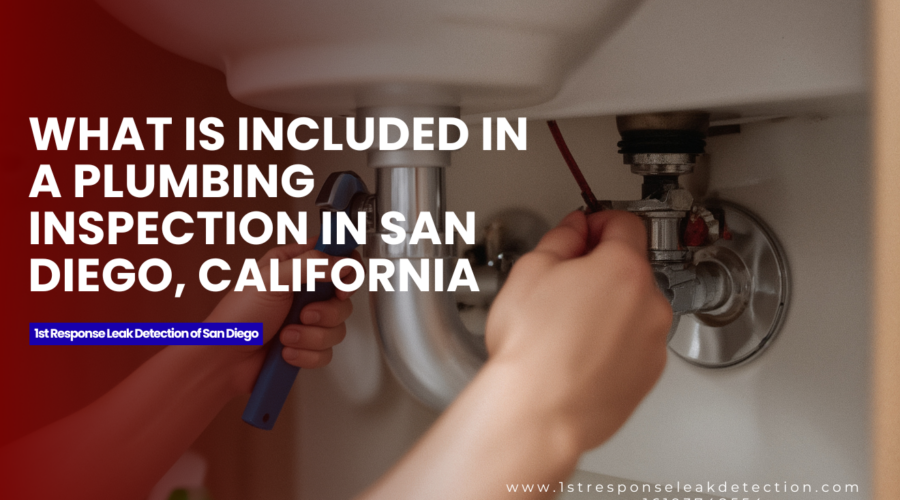

Wondering how plumbing inspections work in San Diego homes? It’s a straightforward process designed to catch potential plumbing issues before they turn into expensive repairs. A professional plumber checks everything from your water heater and pipes to toilets, sinks, and outdoor fixtures. For example, they might inspect for leaks under your sinks, test water pressure, make sure your drains are clear, and check if your sewer lines are in good shape. In older San Diego neighborhoods, they often look for outdated or corroded piping that can cause problems over time. This routine checkup helps homeowners avoid water damage and costly emergency repairs down the line.
How Plumbing Inspections Work in San Diego Homes: A Comprehensive Homeowner’s Guide
What to Expect During a Plumbing Inspection
When it comes to your home’s health, plumbing inspections are absolutely essential. Understanding how plumbing inspections work in San Diego homes is crucial for avoiding hidden issues like leaks, corrosion, or water pressure imbalances.
Here’s a breakdown of what a plumber typically assesses:
- Leaks: Under sinks, slab leaks, pinhole leaks in piping, and hidden leaks behind walls.
- Water pressure: They’ll measure your home’s water pressure to ensure it’s within the recommended range (40–80 psi).
- Drain functionality: Slow or clogged drains in sinks, bathtubs, or floor drains are examined.
- Water heater condition: Evaluated for rust, leaks, and proper heating functionality.
- Pipe health check: Particularly in older San Diego homes where galvanized or corroded pipes may be present.
- Sewer system integrity: May include a sewer camera inspection to look for roots or cracking in lines.
Why San Diego Homes Need Regular Plumbing Inspections
San Diego’s mix of older and newer homes presents unique challenges. Coastal humidity, shifting soil, and aging infrastructure in communities such as Hillcrest or North Park can speed up wear and tear. Here’s why a plumbing inspection shouldn’t be skipped:
- Prevent water damage: Detecting leaks early can save thousands in repair costs.
- Save money on utilities: Leaks lead to higher water bills—an issue common across San Diego.
- Ensure code compliance: Especially important if you’re selling or buying a home.
- Protect your investment: Keeps plumbing systems in optimal shape, boosting property longevity.
What Tools and Techniques Are Used?
Modern plumbers in San Diego come equipped with advanced tools that make inspections quicker and more precise. Here’s how they get the job done:
| Tool/Technique | Function | Use Case |
|---|---|---|
| Sewer Camera | Visual inspection of sewer lines | Root intrusion, pipe cracks |
| Thermal Imaging | Detects temperature changes behind walls | Locating hidden leaks |
| Acoustic Leak Detectors | Listens for sound of escaping water | Pressurized pipe leaks |
| Moisture Meters | Measures water content in materials | Wall and slab evaluations |
Signs You Might Need a Plumbing Inspection
Even if everything seems fine, there are red flags that should prompt you to schedule a plumbing inspection in your San Diego home:
- Sudden spike in water bills
- Musty odors or mildew in rooms without water use
- Gurgling sounds from drains
- Discolored water from faucets
- Clogged or slow drains
- Low water pressure across the house
For deeper insight, explore this helpful post on how to detect mystery leaks that may be affecting your home unknowingly.
Special Considerations for Older San Diego Homes
Homes built before the 1980s in San Diego often feature galvanized piping that corrodes over time. These homes may benefit from:
- Pipe material assessments: Determining if upgrades to copper or PEX piping are necessary.
- Slab leak inspection: Old foundations are more prone to slab cracks that result in hidden leaks.
- Water pressure balancing: Old plumbing may not meet today’s demand for multi-fixture water use.
For homes showing signs of slab leaks, it may be time to consider slab leak detection services to prevent worsening damage and high water bills.
How Often Should Plumbing Inspections Be Scheduled?
To maintain optimal plumbing performance in San Diego’s climate, here’s a general guideline:
- Annual inspections – Ideal for early detection in homes over 10 years old
- Every 2–3 years – For newer homes with updated plumbing
- Before and after purchase – Mandatory if you are buying an older property
- After seismic activity – Earthquakes can disrupt underground and slab foundations
Tips for Homeowners to Stay Ahead
Between inspections, homeowners can take simple precautions to reduce the risk of damage:
- Periodically check under sinks and around appliances
- Install smart water sensors in basements or crawl spaces
- Flush water heaters annually to avoid sediment formation
- Clean gutters and downspouts to protect your drainage system
Use this preventive approach from our guide on preventative plumbing in San Diego to further protect your investment.
The Role of Leak Detection in Plumbing Inspections
Leak detection plays a central role in how plumbing inspections work in San Diego homes. Whether it’s a kitchen pipe, bathroom fixture, or a slab leak, accurate detection ensures faster repairs and protects your foundation. Specialized services like kitchen leak detection can pinpoint problems early in high-use areas and prevent costly failures.
How Plumbing Inspections Differ from Repairs
It’s important to distinguish between inspections and repairs:
| Inspection | Repair |
|---|---|
| Non-invasive check-up of plumbing condition | Corrects or replaces damaged parts |
| Includes diagnostics and leak detection | Performed post-inspection or during emergencies |
| Usually completed in a few hours | Time varies based on complexity |
Homeowner Benefits of Regular Plumbing Inspections
Performing routine inspections at your San Diego property yields multiple long-term benefits:
- Identifies plumbing issues before they escalate
- Protects your flooring, walls, and structural integrity
- Ensures safety from mold or mildew development
- Improves overall water efficiency and performance
- Supports long-term value of your home
Secure Peace of Mind with a Thorough Inspection
Knowing how plumbing inspections work in San Diego homes empowers you to make informed decisions about your property. With professional help, you can uncover hidden issues, enhance your plumbing’s efficiency, and avoid costly repairs caused by unnoticed leaks or aging infrastructure. Whether you’re living in a historic home or a modern condo, proactive care is your best defense.
Keeping your pipes, sewer lines, and fixtures maintained isn’t just about reacting—it’s about prevention. Partnering with a skilled plumbing professional who knows San Diego’s unique challenges will help you stay ahead, save money, and protect your most valuable investment—your home.
Frequently Asked Questions
Book Your San Diego Plumbing Inspection with Confidence
If you want peace of mind before a leak becomes a full-blown problem, now is the perfect time to schedule a professional plumbing inspection. At 1st Response Leak Detection of San Diego, we specialize in pinpointing hidden issues and helping homeowners stay ahead of costly repairs. Don’t wait—protect your home’s plumbing integrity today.



Leave a Reply